
You run. You cycle. Maybe you do a HIIT class twice a week. Cardio feels productive — you sweat, you’re breathless, you burn calories.
But if you’re past 30 and cardio is the only thing you do, you’re missing the one thing that matters most for your next 20 years.
What’s quietly happening in the background
Starting in your 30s, your body begins losing muscle mass naturally — around 3-5% per decade if you don’t actively work against it. You won’t notice it at first. It’s not dramatic. But it compounds.
By your 40s and 50s, this loss accelerates. Suddenly stairs feel harder, your back tires faster, and “I used to be so fit” becomes a common refrain.
Here’s what most people don’t realize: cardio alone doesn’t stop this.
Why muscle matters more than you think
Muscle isn’t just for looking fit. It’s working for you 24/7:
- It drives your metabolism — more muscle means you burn more calories even at rest
- It protects your bones — bone density depends on resistance and loading, which running and cycling barely provide
- It keeps you functional — carrying luggage, lifting your kid, getting up from the floor easily at 60
- It protects your joints — strong muscles absorb impact that would otherwise go straight to your knees and back
Cardio trains your heart and lungs. Strength training trains your structure — the thing that keeps you capable, not just “fit.”
Why cardio alone isn’t enough
Running burns calories while you’re running. But it doesn’t tell your body to hold onto — or build — muscle. In fact, excessive cardio without any strength work, especially while eating less, can actively accelerate muscle loss.
That’s the trap: you do more cardio to “stay in shape,” and unknowingly lose the very tissue that keeps your metabolism healthy.
Try this today
You don’t need a gym membership or an hour to spare:
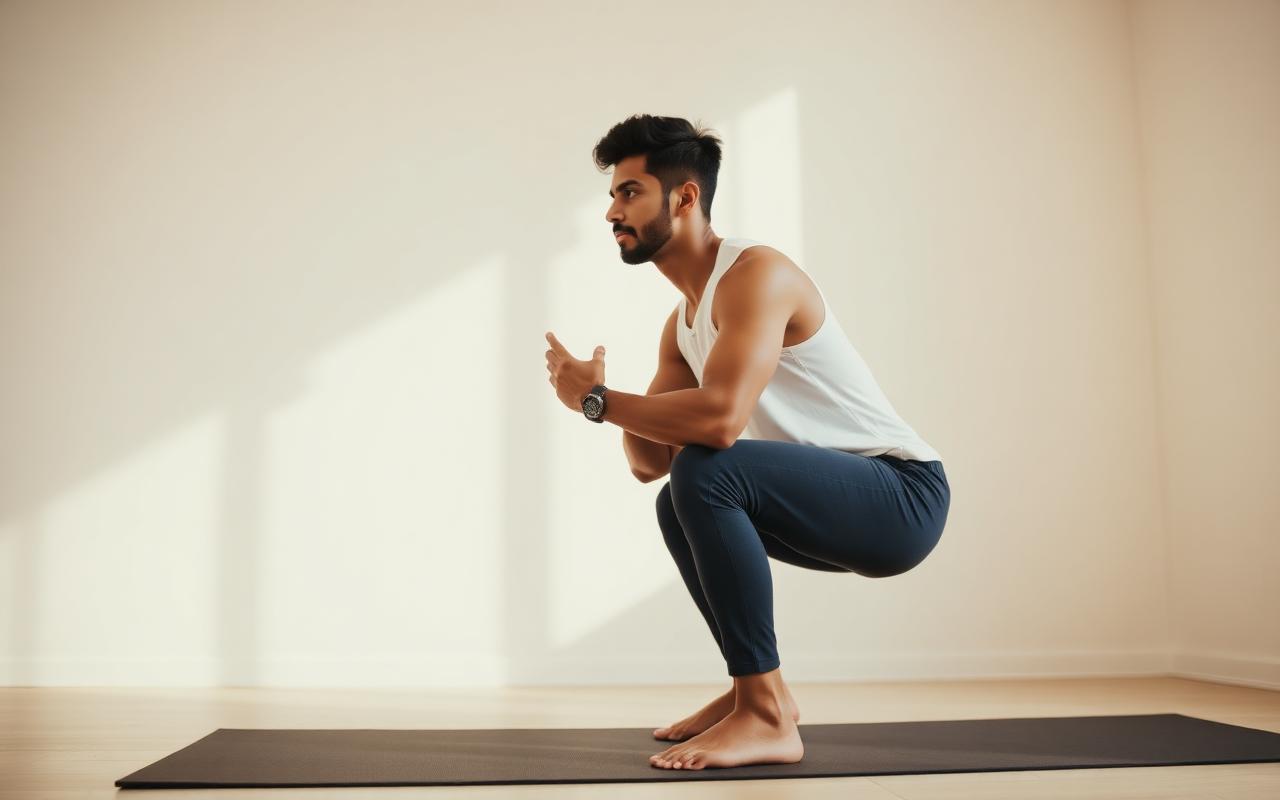
- 2 sets of 10-12 bodyweight squats
- 2 sets of wall or knee push-ups
- A 20-second wall sit
Just one of these. Today. That’s the entry point.
The bigger picture
Cardio keeps your heart healthy — keep doing it. But after 30, add 2-3 strength sessions a week, even short bodyweight ones. It’s the difference between staying “fit” on paper and staying genuinely strong, mobile, and independent for decades.
Staying healthy is a marathon, not a sprint. 🏃